Vehicles and machinery
Finance eligible cars, utes, vans, trucks, machinery or specialist equipment.

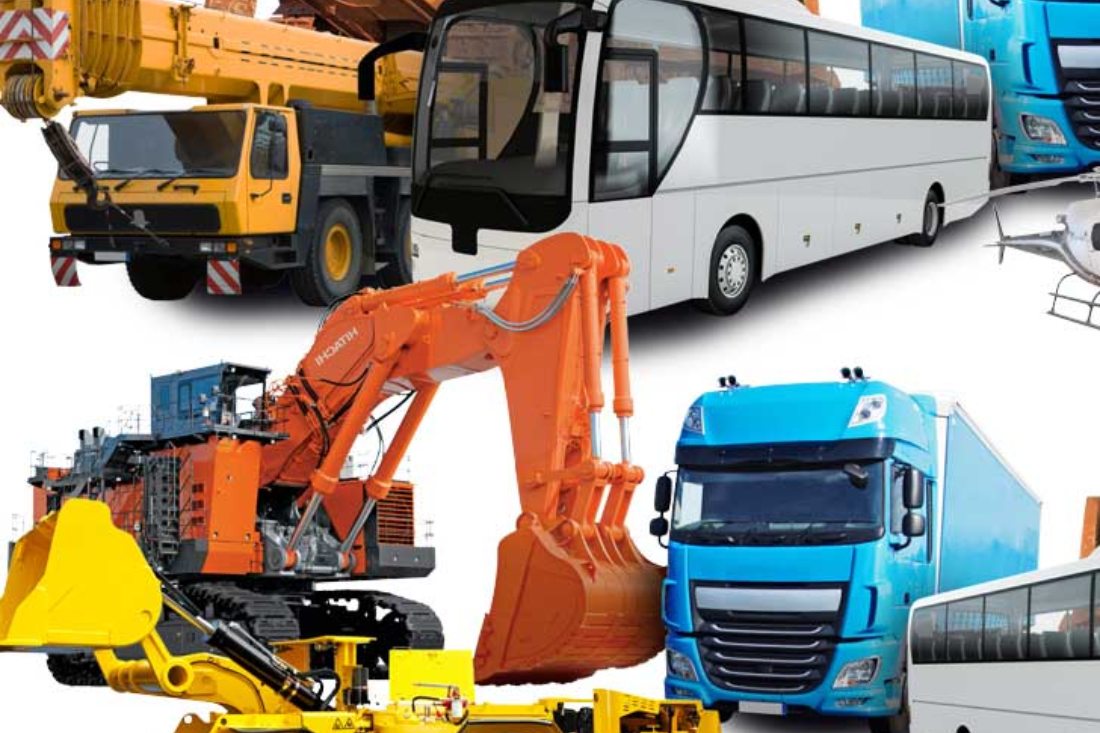
Explore asset finance options for Australian businesses purchasing equipment, vehicles, machinery or other income-producing assets.
Asset finance allows a business to obtain eligible assets while spreading the cost over time. It is commonly used for equipment, vehicles, machinery, technology, tools and other assets used to operate or grow the business.
Australian businesses may use asset finance to preserve working capital, replace ageing equipment, improve productivity or secure assets needed for new contracts.
Lender requirements can include ABN details, asset description, supplier information, invoices or quotes, bank statements and financial information. Approval and available terms vary.
Use these points to understand the loan purpose, likely documents, lender criteria and repayment fit before moving ahead.
Finance eligible cars, utes, vans, trucks, machinery or specialist equipment.
Repayments may be structured around the asset and business need.
Keep more working capital available for operating expenses.
Asset finance is usually linked to a specific asset, while a general business loan may be used for broader working capital or operating purposes.
Because the asset and purpose are clear, lenders can assess the application differently to unsecured working capital. The age, value and business use of the asset may affect the outcome.
The most suitable option depends on whether the business is buying an asset, covering operating expenses or funding a mixture of needs.
Lenders may review the business trading profile, bank statements, credit history, repayment capacity and asset details. The supplier and purchase structure can also matter.
For vehicles and machinery, lenders may ask for registration details, invoices, tax invoices, serial numbers or valuation information.
Loanster helps organise the enquiry so the business can understand which documents may be relevant before moving further.
Loanster keeps the enquiry process straightforward and avoids claims that depend on lender approval or unconfirmed licence details.
Personal details are submitted through a secure form and are not sent through URL query strings.
Enquiries can include ABN, BAS, ATO, bank statement and asset details where relevant.
Approval, rates, fees, loan amounts and funding times depend on lender assessment.
Loanster helps identify what information may be needed before a lender can make a decision.
Asset finance is funding used by a business to acquire eligible assets such as equipment, machinery, vehicles or tools.
Asset finance is often connected to the asset being funded, but security structure depends on the lender and product.
It may help preserve cash flow by spreading asset costs over time, subject to approval and suitable repayment terms.
Learn how this option may connect with asset finance australia for Australian businesses.
Learn how this option may connect with asset finance australia for Australian businesses.
Learn how this option may connect with asset finance australia for Australian businesses.
Tell Loanster what kind of finance you are looking for and the team will guide you through the next step. Finance is subject to lender approval, eligibility criteria, terms and conditions.
Last reviewed: 16 May 2026