Equipment loan (chattel mortgage)
Your business owns the asset immediately and the lender takes security over it. An optional balloon can lower repayments, and the asset is yours outright once paid off.

Own it, lease it or rent it? The answer shapes your cash flow, your balance sheet and what happens when the gear gets old.
When a business needs new gear, the first question is usually how much. The second, and just as important, is how to structure it. An equipment loan (often a chattel mortgage) means your business owns the asset. A lease means the lender owns it and you pay to use it.
Both can be arranged quickly, and both can keep cash in your account rather than tying it up in a single purchase. The difference shows up in ownership, how the payments are treated, and your options at the end of the term.
There is no universal winner. A civil contractor running an excavator for ten years thinks differently from an IT firm that swaps laptops every three. Below we walk through the trade-offs so you can have a sharper conversation with your accountant and with us.
Here is how the three main structures differ on the things owners care about most.
Your business owns the asset immediately and the lender takes security over it. An optional balloon can lower repayments, and the asset is yours outright once paid off.
The lender owns the asset and leases it to you for a fixed term, usually with an agreed residual. At the end you may pay the residual, refinance it or hand the asset back, depending on the contract.
You pay to use the gear for a period with no expectation of owning it. Often used for technology and equipment that dates quickly, sometimes with servicing bundled in.
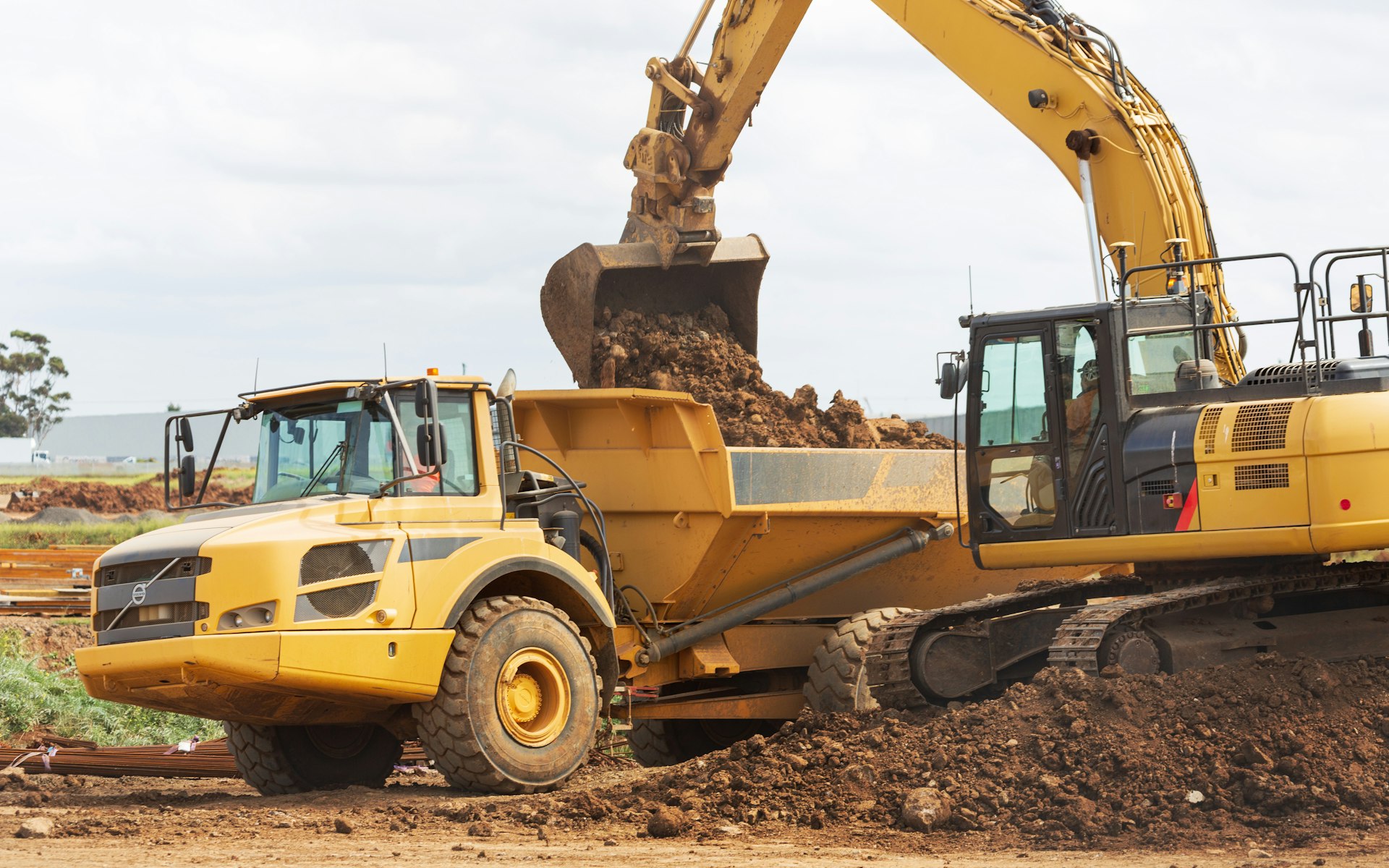
Owning tends to suit assets with a long working life and solid resale value, such as trucks, earthmoving gear, tractors and heavy machinery. You build equity as you repay, and once the loan is cleared the asset keeps working with no payment attached.
A loan also gives you freedom: you can modify, sell or trade the asset whenever you like, subject to clearing the debt. Our chattel mortgage guide covers the mechanics, including how a balloon changes your repayments.
Leasing can suit gear that loses value fast or needs regular upgrades, like computers, point-of-sale systems and some medical or diagnostic equipment. Rather than being left with an outdated asset, you can hand it back or roll into newer kit at the end of the term.
Some businesses also prefer the predictability of a fixed lease payment. For tech-heavy purchases, see IT equipment finance for how lenders typically approach shorter-life assets.
In practice, speed has less to do with the structure and more to do with preparation. Whether you choose a loan or a lease, approval and settlement can move fast when the tax invoice or quote, ID and bank statements are ready, and next-business-day settlement is possible for straightforward applications.
If the machine broke down this morning and you need the replacement on site by Monday, tell us. We will focus on getting you funded rather than debating structures for a week. Ready now? Start the 60-second enquiry and flag your deadline.
Start the 60-second enquiry now. When your documents are ready and the deal is straightforward, being cashed up as soon as tomorrow is possible for eligible applicants.

This is where the two really diverge. Broadly, when you own an asset under a loan, your business may claim depreciation and interest, and GST on the purchase price may be claimable on your BAS if you are registered. With a lease, the payments themselves are generally treated differently, and GST applies across the lease payments.
The details depend on your entity, how you account for GST, how much the asset is used for business and the rules in force that financial year. Please confirm the treatment with your accountant before you sign rather than relying on a general summary.
Running through these honestly usually points you towards the right structure in a few minutes.
Often, yes. At the end of many finance leases you can pay the residual and keep the asset, or refinance that residual into a new loan. Equally, if you already own gear outright, you may be able to release cash from it through equipment refinance or a sale and leaseback.
Rather than guessing, tell us what you are buying, how you plan to use it and when you need it. There is no credit check at enquiry stage, a real person reviews it, and we keep your details private. Accurate answers on the form help us match you first time.
Loanster keeps the enquiry process straightforward: no credit check to enquire, a real person looks at your situation, and your details are not sprayed out to a pile of lenders.
Personal details are submitted through a secure form and are not sent through URL query strings.
Enquiries can include ABN, BAS, ATO, bank statement and asset details where relevant.
Approval, pricing, loan amounts and funding times depend on lender assessment.
Loanster helps identify what information may be needed before a lender can make a decision.
It depends on the asset, the term, any residual and your tax position. Compare the total cost over the term, not just the regular payment, and ask your accountant how each option affects your tax.
Not automatically. With a finance lease you typically choose to pay the residual to keep it, refinance, or return it. With a rental, ownership usually stays with the provider.
Yes. Sole traders with an ABN can generally access loans and leases for business equipment, subject to lender approval. See our sole trader loans page for more.
It is a lump sum left at the end of the term. It lowers the regular payments but must be paid, refinanced or settled through trade-in when the term ends.
Some lenders lease used equipment, though age and condition limits may apply. Loans are often more flexible for older or privately sold assets.
Either can be quick. Having the invoice, ID and bank statements ready matters far more than the structure, and next-business-day settlement is possible for straightforward deals.
Buy the vehicle or machine in your business name, take it home straight away and pay it off over a term that suits your cash flow.
Finance eligible equipment for your business while preserving cash flow for wages, suppliers and day-to-day operations.
Explore asset finance options for Australian businesses purchasing equipment, vehicles, machinery or other income-producing assets.
Your yard is full of machines and vehicles that are paid off. Turn some of that value into working capital, fast, without selling a thing.
See every equipment loan page on Loanster in one place.
Tell Loanster what kind of finance you are looking for and the team will guide you through the next step. Please fill in the form accurately so we can match you first time. Finance is subject to lender approval, eligibility criteria, terms and conditions.
Prefer to talk? Call 03 9999 7370.
Last reviewed: 24 October 2026
Pick one to start. A real person reviews every enquiry.