The asset
What it is, new or used, its age, serial number or VIN, and what it is worth.

A practical checklist to work through before you finance a truck, machine, oven or forklift, so approval and settlement move quickly.
Equipment finance is one of the most straightforward forms of business lending, because the asset itself secures the loan. Yet deals still stall for avoidable reasons: a quote without a serial number, a private seller who still owes money on the machine, or a buyer who has not decided whether they want to own the gear or lease it.
When the paperwork is right, things move quickly. Approval and settlement can be fast when the tax invoice or quote, ID and bank statements are ready, and next-business-day settlement is possible for straightforward applications. Most of the delays we see come down to one missing detail that could have been sorted in five minutes.
Work through the checklist below before you apply. It covers the asset, the supplier, your own documents and the structure decisions that are best made before you sign anything. Whether you are buying a forklift, a prime mover or a combi oven, the same principles apply. Tick each item off as you go.
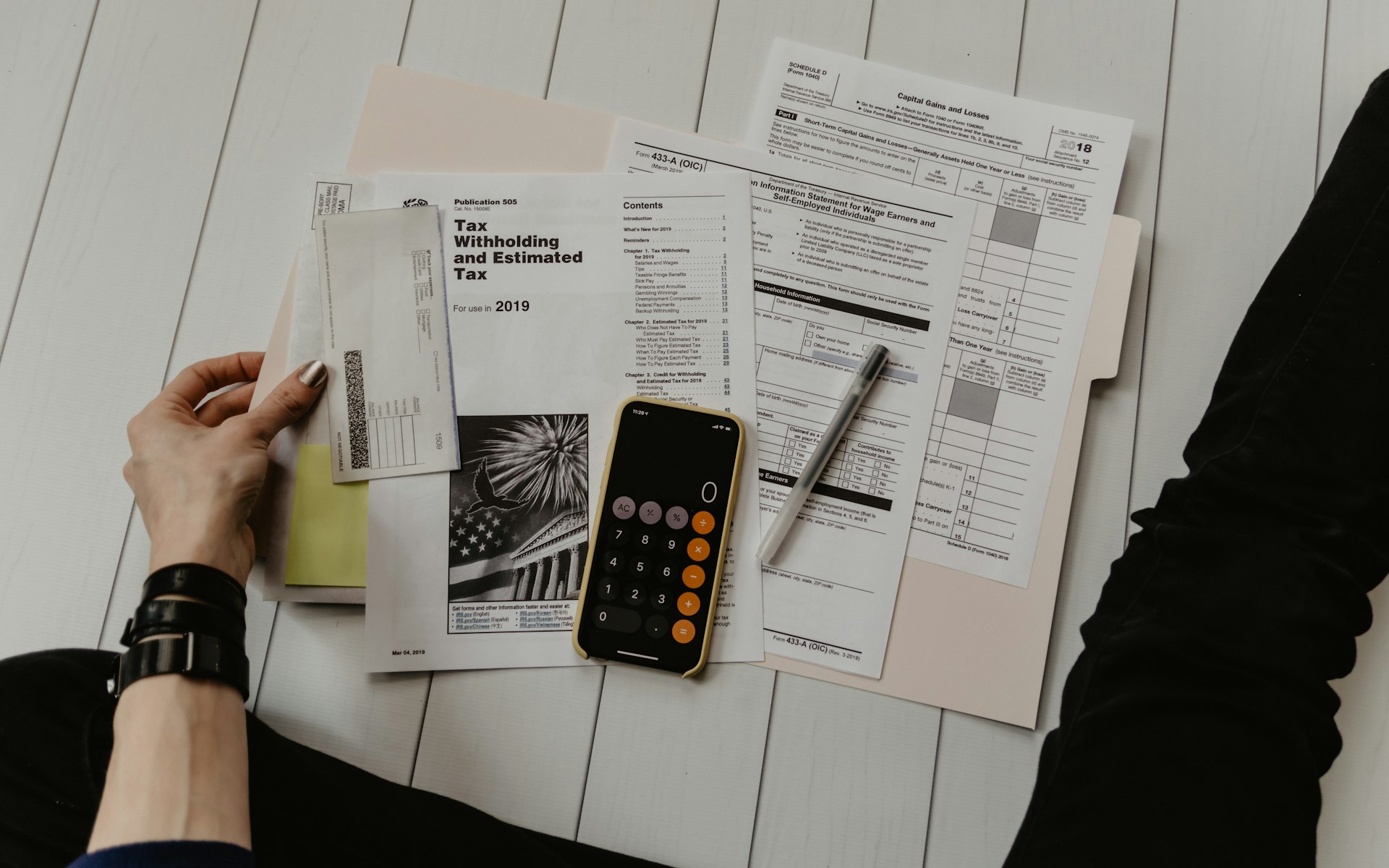
Every fast equipment deal comes down to getting these four things right.
What it is, new or used, its age, serial number or VIN, and what it is worth.
Dealer or private seller, their ABN and GST status, and a proper tax invoice or quote.
Your ID, ABN and bank statements, plus the finance type, term and any balloon that suits you.
Lenders want to know exactly what they are financing. A vague description such as "excavator" will come back with questions. A clear one, with make, model, year, hours and serial number, can be assessed straight away.
Different assets are assessed in different ways. Trucks, machinery, forklifts and commercial kitchen gear generally hold value well and are familiar to lenders. Specialised or very old equipment may need more explanation. Our machinery finance and truck finance pages go into the detail.
The invoice is the backbone of the deal. It should show the supplier's business name and ABN, a full description of the asset, the price with GST shown separately, any trade-in and any deposit paid. If it is a quote rather than a final invoice, make sure it is on letterhead and dated.
Ask the supplier to address it to your business name exactly as it appears on your ABN. A mismatch between the invoice and the applicant is a small thing that can hold up settlement.
Yes, private sales can be financed, but they need a little more care. The lender needs proof that the seller owns the asset and that there is no money still owing on it. Ask the seller for their purchase documents or registration papers, and get a written private sale invoice with both parties' details.
Allow a bit more time for checks, and inspect the equipment yourself or with a mechanic. Used equipment finance explains the extra steps involved.
Start the 60-second enquiry now. When your documents are ready and the deal is straightforward, being cashed up as soon as tomorrow is possible for eligible applicants.

Decide this before you apply, because it affects the documents and the tax treatment. A chattel mortgage means you own the equipment from the start while the lender holds security over it. A finance lease or rental means the financier owns the asset and you pay to use it, often with an option to upgrade. Hire purchase is broadly where you pay off the asset in instalments and ownership passes to you at the end.
A balloon or residual lowers regular repayments, with a larger amount due at the end of the term. Each option has different GST and tax outcomes, so talk to your accountant about which suits your business. Our guide to equipment lease vs loan compares them side by side.
The business side is usually simple. Photo ID for each owner or director, your ABN and ACN where relevant, and recent business bank statements cover most straightforward deals. Larger or more complex purchases may also need financial statements or tax returns.
If your books are not up to date, low doc equipment finance may be an option. Bad credit is considered case by case too, since the equipment provides security.
Before committing, check the total cost over the full term, not just the repayment. Ask whether there are fees for early payout, what happens at the end of a lease, and whether a balloon will need refinancing. Confirm insurance requirements and who arranges cover.
Rates depend on the asset, term, security, risk and lender, so a clear picture of your business helps you get a sharper offer.
With the invoice, your ID and bank statements in hand, you are ready. The enquiry takes about 60 seconds, there is no credit check when you first enquire, and your details are not sprayed across a pile of lenders. A real person looks at your situation, so please fill the form in accurately so we can match you first time.
Start the 60-second enquiry today. Subject to lender approval, next-business-day settlement is possible for straightforward applications. Need it urgently? See fast equipment finance.
Loanster keeps the enquiry process straightforward: no credit check to enquire, a real person looks at your situation, and your details are not sprayed out to a pile of lenders.
Personal details are submitted through a secure form and are not sent through URL query strings.
Enquiries can include ABN, BAS, ATO, bank statement and asset details where relevant.
Approval, pricing, loan amounts and funding times depend on lender assessment.
Loanster helps identify what information may be needed before a lender can make a decision.
A tax invoice or quote, photo ID for each owner or director, your ABN and recent business bank statements cover most straightforward applications.
When the invoice, ID and statements are ready, approval and settlement can move quickly. Next-business-day settlement is possible for straightforward applications.
Yes. Lenders will need proof of ownership from the seller and confirmation there is no finance owing on the asset.
With a chattel mortgage you own the equipment from day one. With a lease, the financier owns it and you pay to use it.
Not always. Requirements depend on the asset, your business and the lender, and a trade-in can sometimes act as a deposit.
It depends on the finance structure and your GST registration. Your accountant can advise on the right treatment for your business.
Finance eligible equipment for your business while preserving cash flow for wages, suppliers and day-to-day operations.
Buy the vehicle or machine in your business name, take it home straight away and pay it off over a term that suits your cash flow.
Own it, lease it or rent it? The answer shapes your cash flow, your balance sheet and what happens when the gear gets old.
A calm, step-by-step plan for when a key machine dies mid-job, from triage to fast replacement finance.
See every guide and checklist on Loanster in one place.
Tell Loanster what kind of finance you are looking for and the team will guide you through the next step. Please fill in the form accurately so we can match you first time. Finance is subject to lender approval, eligibility criteria, terms and conditions.
Prefer to talk? Call 03 9999 7370.
Last reviewed: 24 October 2026
Pick one to start. A real person reviews every enquiry.